Amazon / Business / WEHUBB
REVIEW
WeHubb wants to be your hub. It hasn't said for what.
An Amazon Appstore listing called WeHubb in the Apps category, no public footprint, and a name that means whatever you decide it means. The download is light. The case for installing it is lighter.
BY THE APP COMRADE DESK · MAY 11, 2026 · 3 MIN READ
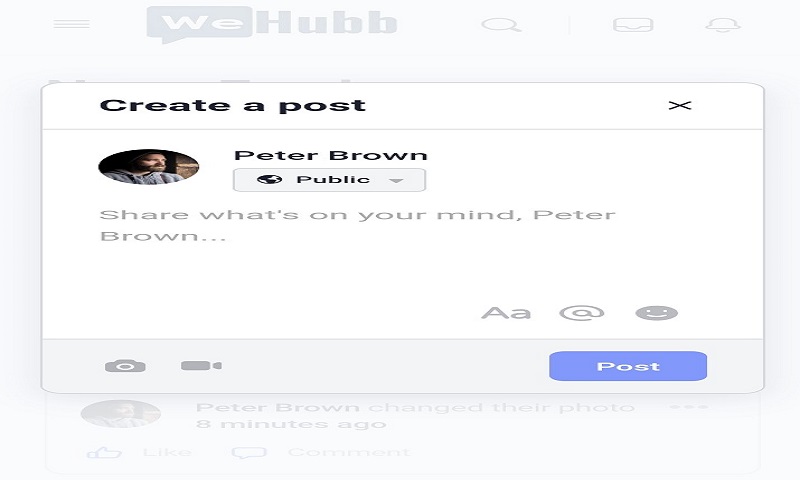
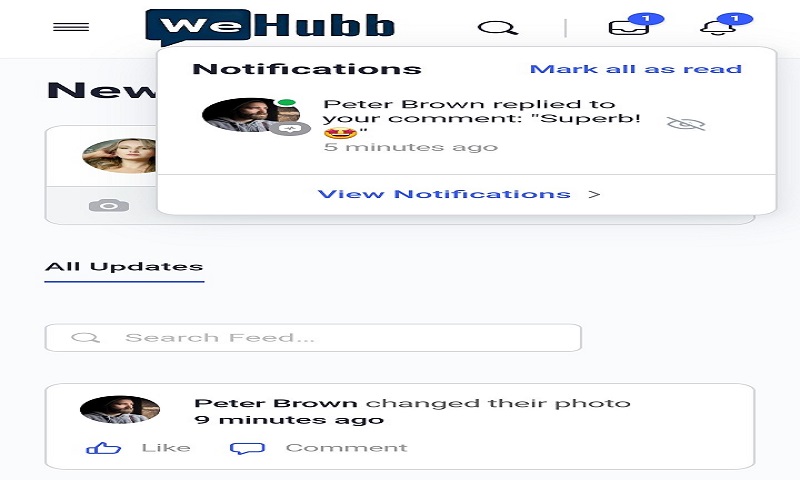

The Amazon Appstore has a long tail of apps with names that read like a placeholder slide somebody forgot to rename. WeHubb is one of them. It lives in the general Apps category, has no surfaced rating, and offers no description detailed enough to tell a prospective user what tapping install actually gets them.
That is not automatically disqualifying. The Fire tablet ecosystem has always had room for small, specific tools — workplace utilities, regional services, community apps — that arrive on the storefront without a marketing team behind them. Some of them are genuinely useful for the audience they were built for.
But “useful for the audience it was built for” is a different sentence from “worth recommending.” Until WeHubb explains what it is, neither readers nor reviewers can do the second one.
An app that names itself a hub and then declines to say what it hubs is asking the user to do the marketing work.
FEATURES
WeHubb is filed in the Amazon Appstore's general Apps bucket, with no category specialisation, no rating data surfaced on the storefront, and no developer voice in the listing copy. There is no companion website that turns up under the obvious search, no press coverage, no support thread on the major Fire-tablet forums. The app is downloadable on Fire tablets and Android-with-Appstore devices, and that is roughly the limit of what is verifiable.
Without a public release-notes trail, the feature surface has to be inferred from the name itself — and "Hubb" implies an aggregator, a dashboard, or a links page. None of which the storefront confirms. That ambiguity matters. An installer page that won't tell you whether the app is a contact manager, a smart-home dashboard, or a community feed is asking for blind trust at install time.
Permissions, account requirements, and offline behaviour are not declared in the storefront copy in a way that lets a reader make an informed call before tapping install.
MISSION ACCOMPLISHED
The honest win here is that WeHubb exists at all on the Amazon Appstore — Fire-tablet owners hunting for a specific niche tool sometimes find unbranded one-developer apps that turn out to do exactly the thing they need. If the user already knows what WeHubb is — from a workplace, a community, a regional service — then the Appstore listing is a legitimate way to get it onto a Fire device without sideloading.
That is a narrow win. It serves the person who already has a reason. It does not serve the person browsing.
ROOM TO IMPROVE
Everything downstream of the name needs fixing before this is recommendable to a general audience. A listing without a screenshot tour, a feature list, a developer-of-record bio, or a privacy summary is a listing that hasn't done the work the Appstore expects. The lack of public reviews is not damning on its own — plenty of small Fire-tablet apps have thin review counts — but combined with the absence of any external footprint it leaves nothing to corroborate.
A second pass on the storefront copy would help more than any feature would. Say what the hub hubs. Show one screen. Name the team.
CONCLUSION
WeHubb might be perfectly fine software for the audience it was built for. From the outside, there is no way to tell. Wait for the developer to add screenshots and a description, or for someone you trust to vouch for it, before installing on a primary device. If you have a specific reason to be here, that's your call to make.