Amazon / Local / UBER
REVIEW
Uber on Fire is the right app on the wrong device.
The world's largest ride-hailing network ships a competent Android app to the Amazon Appstore. The problem is the tablet underneath it can barely find satellites.
BY THE APP COMRADE DESK · MAY 10, 2026 · 4 MIN READ
Uber
UBER TECHNOLOGIES, INC.
OUR SCORE
5.5
AMAZON
★ 2.9
PRICE
Free
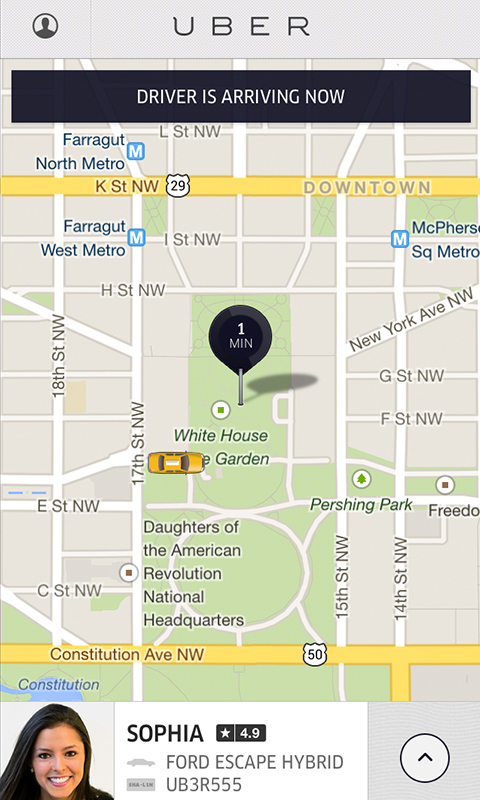
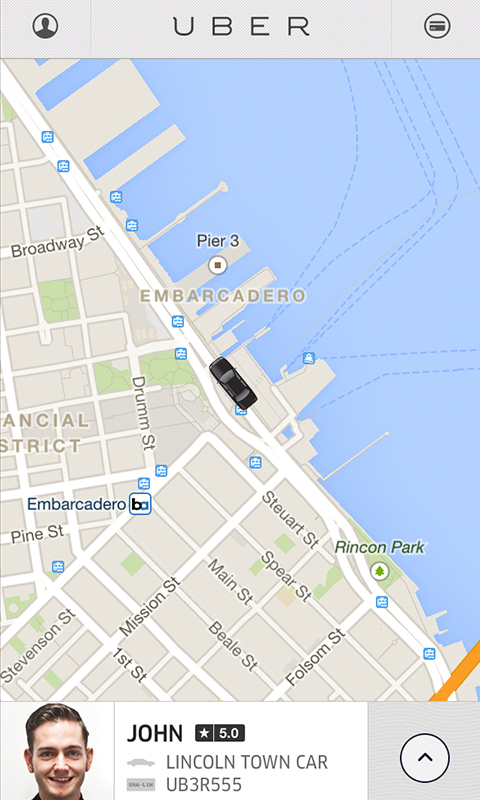
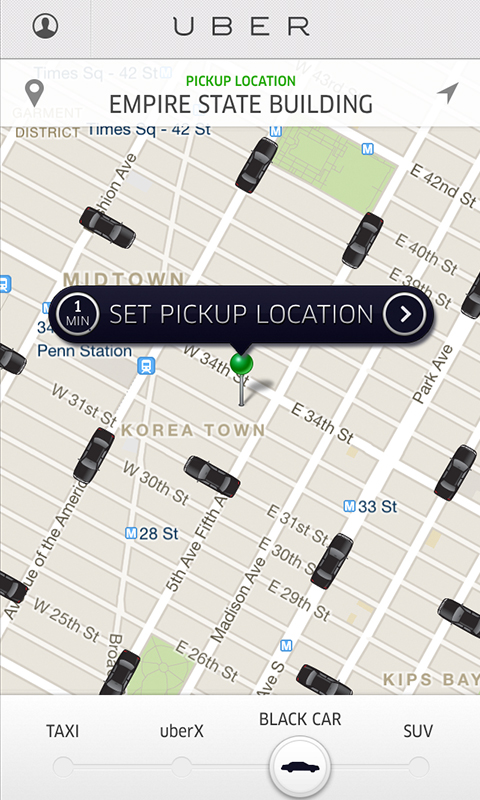
Uber in 2026 is no longer just a rides company, and the app finally admits it. Open the Amazon Appstore build and the GO–GET shell greets you with rides, food, packages, and a rolling list of discounted hotels under one roof — the consolidation Uber spent two years promising and finally shipped earlier this year. In Austin or Atlanta, request a standard ride and there is a real chance the car that pulls up has no driver in it.
That is the Uber side of the equation. The Amazon side is harder. Fire tablets ship without proper GPS hardware, and every Uber feature that depends on knowing where you actually are — which is all of them — gets routed through Wi-Fi triangulation and an aggressive guess. The Appstore reviews are blunt about this. The 2.9-star average is not a verdict on Uber’s software. It is a verdict on running a location-critical app on a $79 tablet that thinks GPS is optional.
Most riders who land on this listing will be looking for a tablet-friendly way to call a ride from the kitchen counter. There is a better one: the phone you already own.
Uber's app does everything it's supposed to. The Fire tablet underneath simply does not know where you are.
FEATURES
The Amazon Appstore build is the same Uber app shipped to Google Play, sideloaded onto Fire OS without Google Play Services. You get rides (UberX, Comfort, Black, XL, Green, Pet), Uber Eats, Uber Reserve for scheduled pickups up to 90 days out, package delivery in supported cities, and the Uber One subscription bundling 6% Uber Cash on rides plus zero delivery fees on Eats orders over $15.
The 2026 release adds the consolidated GO–GET shell that pulls Rides, Eats, hotels, and the rolling 10,000-property travel discount under one home screen. Waymo dispatch is live on Uber in Austin and Atlanta — request a standard ride and you may be matched to an autonomous Jaguar I-PACE — with 13 more autonomous markets on the calendar by year-end including Houston, Madrid, and Hong Kong. Payment options include card, PayPal, Apple Pay, Google Pay, Cash App, and Uber Cash balance.
Surge pricing is now badged as "dynamic pricing" in the fare breakdown, the change Uber rolled out after Oxford's 2025 paper on algorithmic take rates put the practice back in the headlines.
MISSION ACCOMPLISHED
As a piece of software, Uber in 2026 is in better shape than it has been in years. The GO–GET unification is a real simplification — the previous Eats-versus-Rides app split was a tax on anyone who used both. Uber Reserve is reliable enough for airport runs that frequent travelers have stopped pre-booking black cars. And the Waymo handoff in Austin, where you can opt into or out of an autonomous match before requesting, is the cleanest implementation of consumer robotaxi access on any platform.
Uber One has also matured into a defensible bundle. At $9.99 a month it pays for itself in three or four delivery orders, and the 10% back on hotel bookings is a quiet sleeper benefit most members never notice.
ROOM TO IMPROVE
The Amazon Fire build inherits a structural problem the developer cannot fix: Fire tablets do not have proper GPS hardware. They derive location from Wi-Fi triangulation and tethered phones, which means Uber's pickup pin drifts by half a block on a good day and asks you to re-confirm the address on a bad one. The 2.9-star Amazon Appstore rating is almost entirely about this — driver-side users on Fire HD 10s repeatedly report the app refusing to acknowledge that location services are enabled, and rider-side users get matched to drivers approaching the wrong building. None of this is Uber's fault. All of it is your problem if you install this on a Fire.
Pricing transparency is the other open wound. Dynamic surge multipliers are still personalised in ways riders cannot audit, and Colorado's 2026 legislation banning surveillance-based pricing is the first regulatory shoe to drop. Lyft, where surge tends to be lower-amplitude and more visibly capped, remains the cheaper option in most US markets at peak hours.
CONCLUSION
Uber the service is essential infrastructure in 2026 — there is no equivalent network at this scale, and the Waymo integration is genuinely a glimpse of what comes next. Uber the app is competent. Uber the app on a Fire tablet is a workaround you will resent. Use the phone in your pocket and let the Fire stay on Prime Video.