Amazon / App / PRIME VIDEO
REVIEW
Prime Video on Fire TV is the canonical version of Amazon's own service.
On Amazon's own hardware, Prime Video is what Amazon has spent a decade engineering it to be — vertically integrated, pre-installed, voice-searchable from the home screen. The 2024 ad-tier shift is still the editorial story.
BY THE APP COMRADE DESK · MAY 9, 2026 · 4 MIN READ
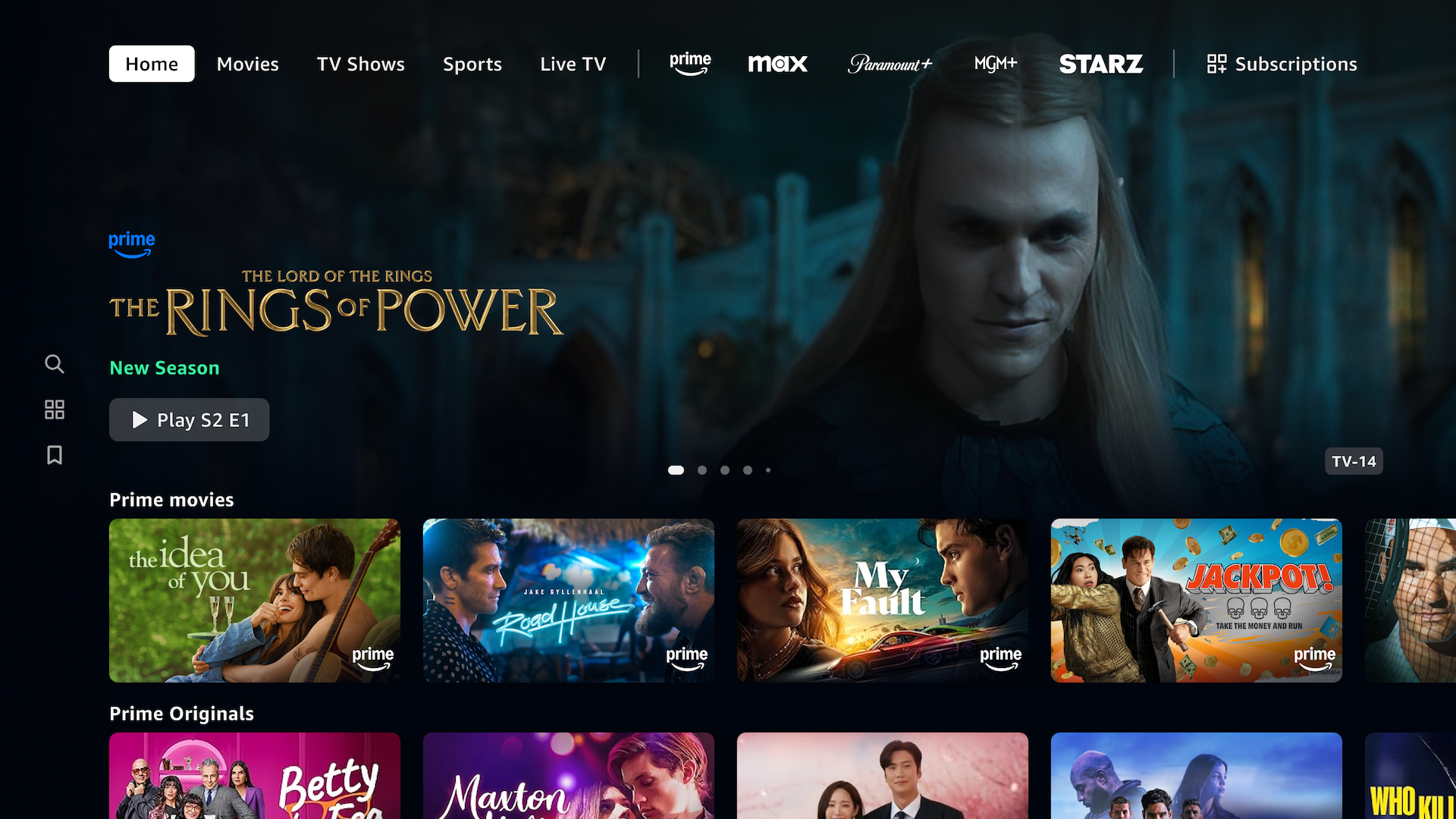
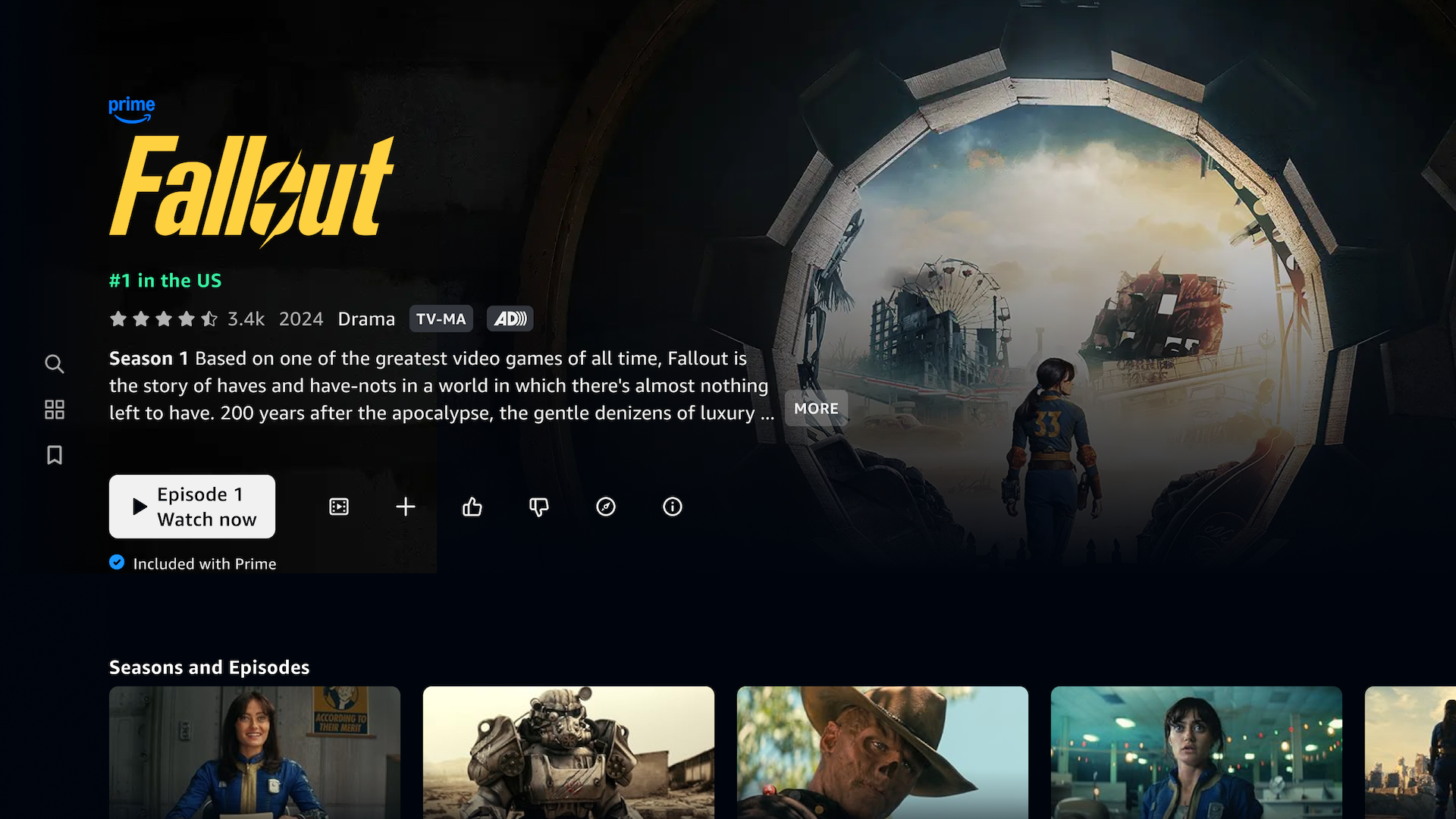
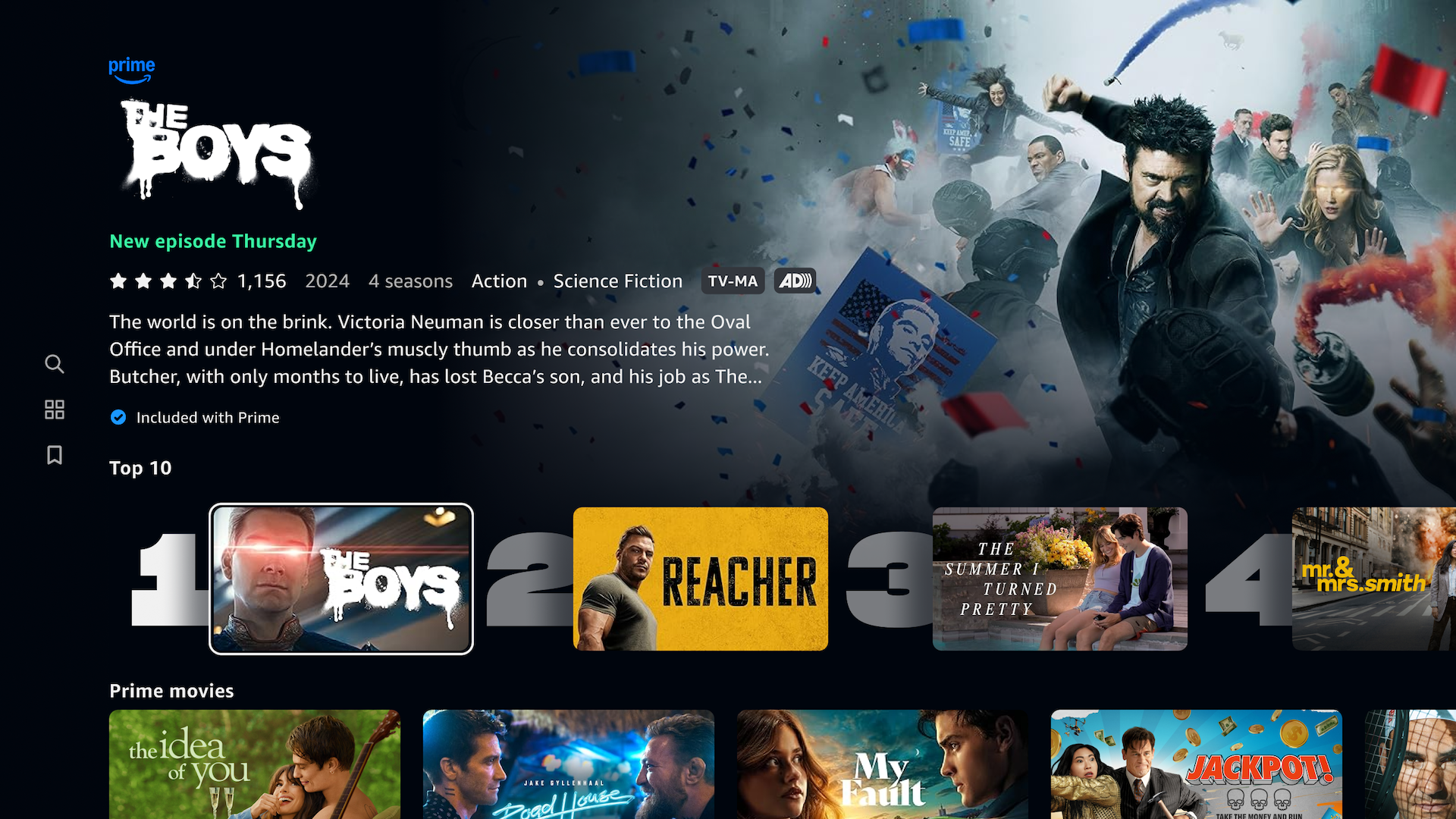
Prime Video on Fire TV is the canonical version of a service Amazon has spent a decade building. The other platforms — Roku, Apple TV, smart-TV native apps — get competent ports of the same catalogue, but only on Fire TV does Amazon control the full stack: silicon, OS, storefront, voice remote, content layer. The result is a viewing experience where the friction of “third-party platform compromises” simply isn’t present, because there is no third party.
That vertical integration shows up in the small things. Voice search via the Alexa remote resolves Prime Video titles before competitors’ titles. X-Ray surfaces faster and more naturally than on Roku. Watch Party works without the connection-handshake friction. Pre-roll and content launches are quicker because the OS is tuned for it. None of these are revolutionary advantages, but in aggregate they make Fire TV the version of Prime Video that Amazon’s product team has clearly optimised for.
The 2024 ad-tier shift is the editorial complaint that follows the service everywhere, including here. Amazon converted what subscribers thought of as ad-free streaming into ad-supported streaming without rebating the membership cost; two years on, the company has not retreated, and the framing of “more ads funds more content” remains tone-deaf about the trust transaction. The product is still strong. The trust relationship is fractionally weaker. On Fire TV, where the service is most-used and most-recommended, both halves of that trade-off are felt at maximum volume.
Prime Video on Fire TV is the version Amazon ships when no one else's hardware is in the way.
FEATURES
Prime Video on Fire TV is Amazon's first-party streaming app on Amazon's first-party streaming hardware. Included with Prime membership ($14.99/month or $139/year US, similar pricing internationally). The catalogue is the same as on every other platform: Amazon Originals (The Boys, The Marvelous Mrs. Maisel, Reacher, Fallout, Lord of the Rings: The Rings of Power), licensed films, Prime-included sports (Thursday Night Football in the US, Premier League in some markets), and a rentable / purchasable catalogue extending beyond the Prime tier.
The 2024 ad-tier shift remains in force. The standard Prime-included Prime Video experience is ad-supported by default; the ad-free upgrade is an additional $2.99/month US ($3.99 in some markets). Amazon framed the change as funding "continued investment in content"; subscribers framed it as a backdoor price increase.
Fire-TV-specific advantages: Prime Video is pre-installed and pinned to the home row, the Alexa voice remote is tuned for Prime Video search ("Alexa, find Reacher"), X-Ray (the actor / soundtrack / trivia overlay) is more deeply integrated than on third-party platforms, 4K HDR and Dolby Atmos play correctly on supported hardware (Fire TV Stick 4K Max, Fire TV Cube), and Watch Party (synchronised viewing for up to 100 people) works without the friction it has on some competing platforms.
Subscription Channels (HBO Max, Showtime, Paramount+) sell within the Prime Video shell with the same pricing as standalone subscriptions. The Freevee free-ad-supported tier is integrated into the same catalogue surface.
MISSION ACCOMPLISHED
Vertical integration is the achievement. Amazon owns the hardware, the operating system, the storefront, and the streaming service, and Prime Video on Fire TV reads as the product Amazon would ship if the rest of the streaming-on-third-party-hardware compromise didn't exist. The home-row pinning, the Alexa voice search, the X-Ray integration, and the Watch Party flow all work better here than on Roku, Apple TV, or smart-TV native apps.
Stream stability is excellent. 4K HDR launches quickly on the Fire TV Stick 4K Max and Fire TV Cube; bitrate negotiation is conservative enough that buffer events are rare even on weak Wi-Fi. Audio passthrough for Dolby Atmos works correctly through HDMI receivers, which is harder than it should be on competing platforms.
Catalogue value is the same as elsewhere and remains the strongest per-dollar streaming proposition in 2026. Prime members already paying for the service get Originals, films, sports, and the rental shop without an additional subscription decision; the bundle math has been favourable for years.
X-Ray on Fire TV deserves specific praise. The IMDB-sourced cast / soundtrack / trivia overlay is genuinely useful while watching films, and the Fire TV implementation surfaces it more naturally than the third-party-platform versions where Amazon doesn't control the underlying OS.
ROOM TO IMPROVE
The 2024 ad-tier shift is still the editorial complaint and remains so on Fire TV. Amazon converted what most subscribers thought of as an ad-free service into an ad-supported one without retiring or rebating the existing subscription cost. The de facto price increase was not announced as one. Two years on, the framing has not aged better.
Discovery within the app is mediocre. The home screen mixes Prime-included content, rentals, purchases, free Freevee titles, and Channels subscriptions in a way that's not always clear about what costs extra. Picking a film and discovering it's a $3.99 rental halfway through the trailer is a recurring frustration. The Fire TV implementation is no clearer than the Roku one.
Catalogue regional variation is broader than Netflix's. Some Originals are not available outside the US; licensed-content availability rotates as deals close and re-open. This is industry-standard but the Prime Video version of it is more aggressive than competitors.
Fire TV's home-screen ad-pushing has crept further into the Prime Video surface over the last two years. Ad rows for non-Prime content appear on the Prime Video home in ways that make the storefront feel like the streaming app, which is the structural Amazon-owns-everything tradeoff.
CONCLUSION
Use Prime Video on Fire TV if you have Amazon Prime — which most US households do — and the included streaming will repay the membership on its own. Pay the $2.99 ad-free upgrade if ads bother you; most viewers find them more aggressive than Hulu's. The Channels feature is a clean way to subscribe to HBO Max or other premium services without managing separate apps. On Amazon's own hardware, Prime Video is the version Amazon intended to ship — pre-installed, voice-searchable, X-Ray-enabled, and the editorial home of the service. Best place to watch Prime Video on a TV in 2026.